
Termite Control
Get a FREE Home or Business Pest Evaluation!
Call us
505-658-0822
Termite Control and Inspection Services
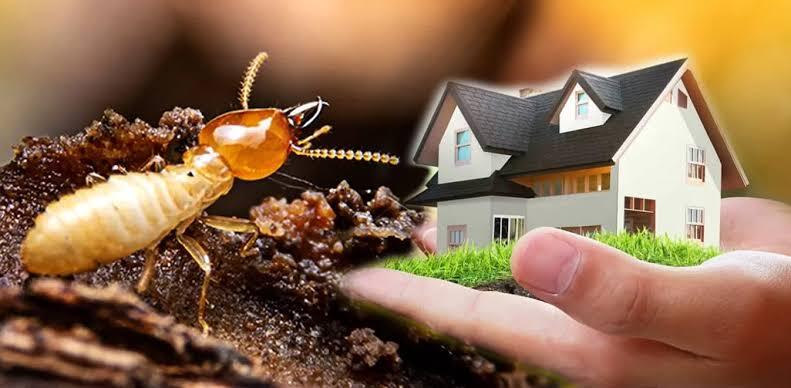
Termites are often called “silent destroyers” for a reason. They can tunnel into the structural wood of your home for years without leaving obvious signs on the surface. Because of this, termite control in the Albuquerque metro requires proactive inspection and targeted treatment.
Manzano Pest Management provides termite control and inspection services for homeowners and real estate professionals across the metro. We understand the specific conditions that make properties in this region vulnerable. Additionally, we offer commercial pest control for business owners needing structural protection.
Why Termites Are a Serious Risk in the Rio Grande Valley
New Mexico’s high-desert climate might seem unlikely for termites, but the reality is different. Termite pressure concentrates wherever soil moisture is available. The Rio Grande valley sees the highest termite activity in the state. Furthermore, our seasonal pest prevention programs help monitor these moisture-driven pests year-round.
Subterranean Termites: The Primary Threat
Subterranean termites are the most common and destructive species here. They live in the soil and build pencil-sized mud tubes to travel to food sources. If you see mud tubes on your foundation or crawl space piers, that is a strong indicator of activity. While inspecting your foundation, our technicians also check for other structural pests like rodent control issues.
Monsoon Season Increases Activity
Subterranean termites are especially active during the monsoon season, typically late June through September. The added moisture softens wood and helps termites tunnel more easily. Consequently, inspections are particularly important in late summer and early fall.
Signs You May Have a Termite Problem
Termites are secretive. You may not see the insects themselves, but they leave evidence behind. If you notice these signs alongside common spider control issues, a full inspection is warranted.
-
Mud tubes on the exterior foundation, crawl space walls, or floor joists.
-
Hollow-sounding wood when you tap on baseboards or structural beams.
-
Frass (termite droppings) that looks like small, hexagonal pellets.
-
Swarmer wings discarded near windows after a rain.
What Our Termite Service Includes
We do not rely on a single treatment method for every situation. Termite control depends on the species and the construction of your home.
Thorough Inspection
We inspect the foundation, crawl space, attic, and exterior wood for live termites and damage. For real estate transactions, we can provide the documentation needed for a WDI report. This pairs with our general ant control inspections for complete property protection.
Treatment Options
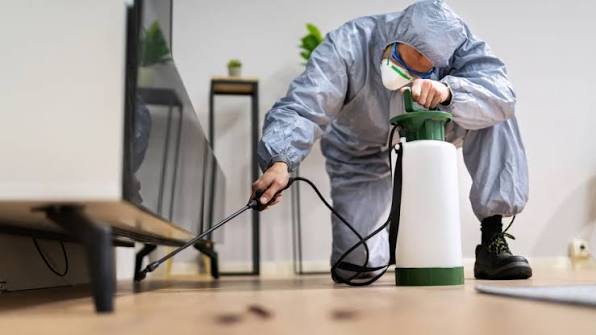
Treatment may include a liquid soil barrier, in-ground bait stations, or direct wood treatment. The goal is to eliminate the active colony and create a protective barrier.
Preparing for a Termite Inspection
Before the inspection, a few simple steps can help ensure a thorough assessment. Just as you would prepare for bed bug extermination, access is key.
-
Clear access to the foundation, crawl space, and attic.
-
Remove stored items from along the exterior walls.
-
Have any previous treatment records available.
Areas We Serve for Termite Control
Manzano Pest Management provides termite inspections and control services across the Albuquerque and Rio Rancho metro. If you are dealing with termites in your area, contact us to confirm service availability.
If you are not sure whether your address falls within our service area, contact us with your location.
Frequently Asked Questions
Are termites covered by homeowner’s insurance?
In most cases, no. Termite damage is typically considered a maintenance issue and is excluded from standard policies. Because of this, preventive inspections are important.
How often should I have a termite inspection?
Annual inspections are recommended, especially for older homes. If you have a warranty, annual inspections are often required to keep it active.
Can I treat termites myself?
DIY termite treatments are generally ineffective because the colony is underground. Professional treatment requires specialized equipment. Just as DIY cockroach extermination fails to reach hidden nests, store-bought termite products do not provide the residual barrier needed.